

Tentacle Locker 2
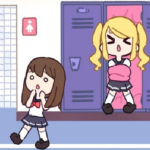
Tentacle Locker 2 can be described abstractly as an interactive simulation game that uses a school-based setting and symbolic mechanics to represent control, curiosity, and hidden motives. The player interacts with a hallway environment containing lockers and passing characters. Each action affects how the environment reacts, producing a pattern of cause and consequence. The design avoids traditional objectives, relying instead on observation, timing, and experimentation to uncover how different elements respond to player input.









Similiar games









Tentacle Locker 2 can be described abstractly as an interactive simulation game that uses a school-based setting and symbolic mechanics to represent control, curiosity, and hidden motives. The player interacts with a hallway environment containing lockers and passing characters. Each action affects how the environment reacts, producing a pattern of cause and consequence. The design avoids traditional objectives, relying instead on observation, timing, and experimentation to uncover how different elements respond to player input.
Structure and Gameplay
In Tentacle Locker 2, gameplay revolves around interacting with repeating patterns of movement. The player observes routines and learns how timing influences outcomes. Each action triggers a reaction that changes the state of the environment. Some interactions are concealed or stylized to maintain a sense of mystery and distance from direct representation. The game uses simple visual language to communicate progress without explicit imagery, focusing on rhythm and reaction rather than direct depiction.
Main Features and Systems
The functional systems of Tentacle Locker 2 can be summarized as:
· A cycle-based structure built on observation and timing
· Environmental interaction tied to movement and proximity
· Hidden events revealed through experimentation
· Stylized feedback that replaces explicit visuals
· A loop-based design encouraging repetition and discovery
These systems form a sequence of trial and response. The player learns patterns, predicts reactions, and gradually uncovers how actions influence the environment. The focus is placed on controlled input and indirect storytelling rather than realism or narrative progression.
Presentation and Atmosphere
Tentacle Locker 2 uses minimalist design choices to emphasize repetition and routine. The environment repeats in cycles, and only subtle variations indicate change. Sound and motion provide cues that help the player recognize progress. This presentation style abstracts the core idea into a rhythmic simulation, distancing the experience from direct content. It creates an atmosphere of curiosity, where the act of observation itself becomes the main form of engagement.
Concept and Interpretation
Viewed abstractly, Tentacle Locker 2 functions as a symbolic experiment about control and consequence. It transforms simple mechanics into a commentary on action and reaction, using visual restraint to guide focus toward structure and pattern. The player’s role is to recognize boundaries and understand how repeated actions alter context. Through its controlled environment and loop-based system, Tentacle Locker 2 becomes an example of how minimal design can turn interaction into a study of behavior without relying on direct representation.
Discuss Tentacle Locker 2
